
Here’s the starting point for your regulation and recovery journey: our Nervous System + Stress Audit
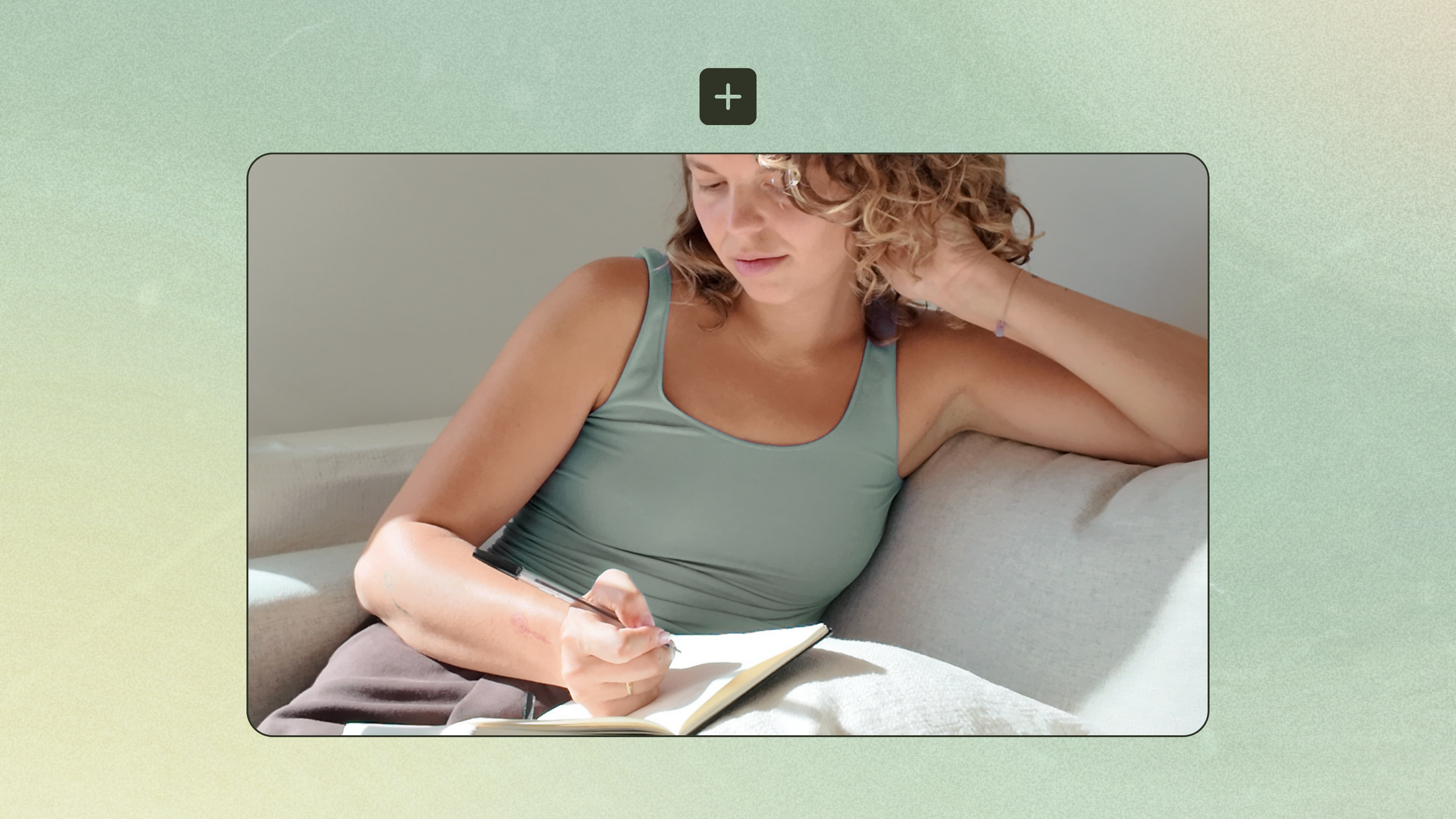
You deserve to check-in with your nervous system and shine awareness on the stressors, patterns + stories that are contributing to your dysregulation - this way, you can be empowered to make genuine positive change in your life.
We know it’s tempting to jump into regulation practices (especially ours…), but it’s really important to check in with yourself and understand the root of your dysregulation first. That way, your path to a healthy nervous system grounded in safety and ease becomes much more informed, targeted and effective.
This in-depth audit features a checklist to help you identify your current nervous system state, as well as a series of journal prompts that will reveal key stressors, patterns and stories that are contributing to dysregulation. By the end, you’ll possess the awareness you need to come up with your own recovery plan and move forward feeling empowered.
Before starting the audit, here’s our recommendation for opening the space with intention:
Set aside plenty of time so you won’t feel rushed (at least 40 minutes)
Create a comfy space for yourself, free from distractions
Make a herbal tea
Get a journal and pen
If it works better for you, you can complete the audit over a couple of sessions.
The Nervous System + Stress Audit
Body Scan + Current Capacity
First, connect with yourself by doing a body scan:
-
Close your eyes and take a few deep breaths - inhaling through the nose, exhaling through the mouth as you drop in.
As you do this body scan, be a curious observer - noticing sensations, emotions and energy, and witnessing how you are feeling in yourself. Do this without judgement.
Shift your awareness to your feet, noticing any sensations present here. Slowly scan upwards, releasing any tension or tightness as you go, breathing into each area, and allowing yourself to relax:
Travelling your awareness up through the lower leg… to the thighs… round through the hips and pelvis… to the stomach… up through the chest and arms… to the neck, face + head.
End with a final deep breath in… and release.
Then, journal on the following prompts:
Where am I holding tension in the body? e.g. Shoulders, jaw, stomach, chest
On a scale of 1-10, how activated or dysregulated does my nervous system feel today?
How is my sleep, eating, movement, habits and self-care at the moment?
If my body could speak right now, what would it say? What has it been trying to tell me that I've been ignoring or overriding?
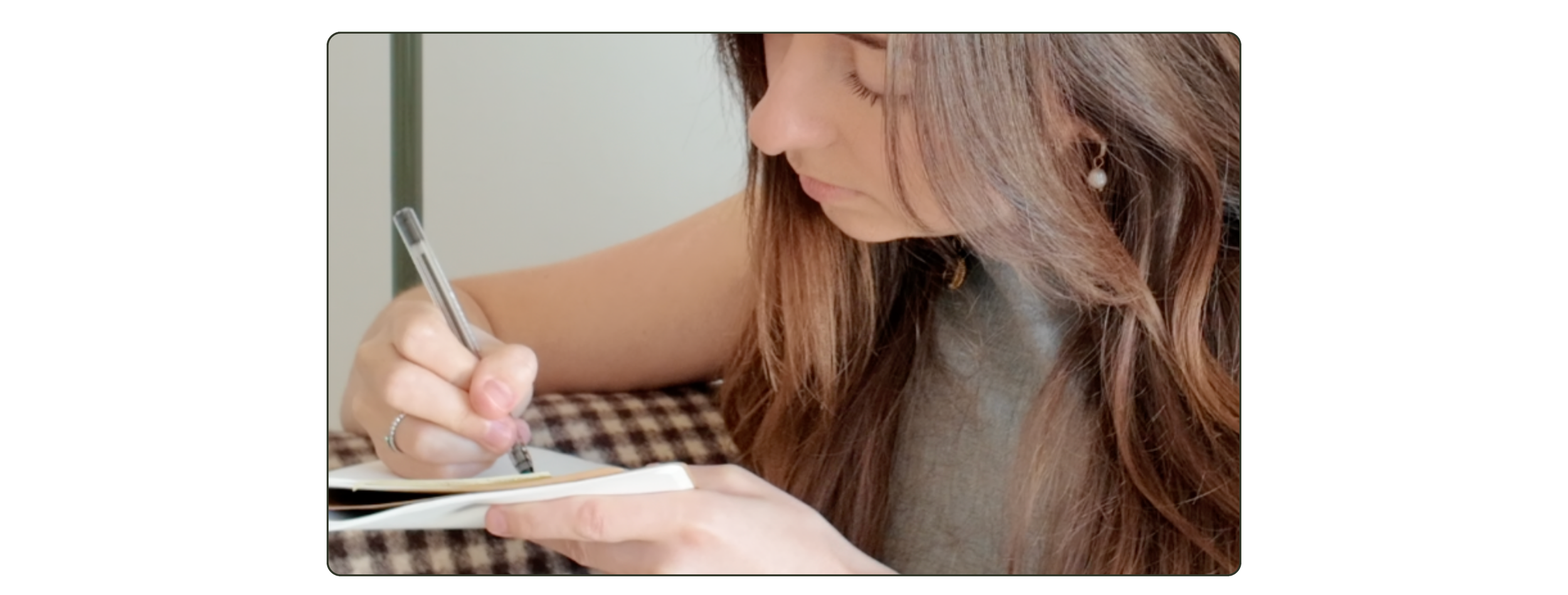
Nervous System State Checklist
Let’s go deeper by identifying the state your nervous system is currently operating in. The following checklists will help you to identify where you are operating outside of your window of tolerance (i.e. the optimal level of nervous system arousal).
Hyperarousal checklist:
Hyperarousal is a state where your body’s ‘fight-or-flight’ response is overactive or sustained for longer than it should be, caused by chronic stress, anxiety or trauma.
- Feeling a constant need to rush, everything feels urgent
- Shallow breath, fast heartbeat or tight chest
- Feeling irritable + reactive
- High stress (cortisol) levels
- Anxiety or panic
- Trouble falling or staying asleep
- Tension in the body e.g. shoulders, jaw, stomach
- Digestive discomfort
- Struggling to focus or feel motivated
- Difficulty slowing down + 'being'
- Hypervigilance + feeling unsafe
If you tick many of these, you may be in a state of hyperarousal.
Hypoarousal checklist
Hypoarousal is where the nervous system effectively ‘powers down’ in response to overwhelming stress or trauma. It’s also known as the ‘freeze’ response or dorsal vagal shutdown.
- Feelings of disconnection or dissociation
- Emotional numbness
- Depression
- Exhaustion
- Feeling stuck
- Brain fog + difficulty concentrating
- Starting tasks can feel impossible or too overwhelming
- Feeling like you want to withdraw + isolate
- Digestive discomfort
If you tick many of these, you may be in a state of hypoarousal.
It can also be true that instead of decisively being in hyper- or hypo-arousal, you tick boxes across both - it’s possible to experience elements of both states simultaneously.
The focus of recovery remains the same: expanding your window of tolerance (the capacity of your nervous system to handle stress effectively) through nervous system regulation practices and developing your ability to notice, interpret and respond to the signals the body is sending so that you can better practice self-care + meet your needs.
Current Life Audit
To be able to take positive steps towards regulation and a more sustainable way of being, it’s crucial to shed light on what is causing us so much stress and anxiety in the first place. Answer the following prompts:
What present situations are causing me to feel stressed or overwhelmed? What’s weighing on me the most?
Are there specific triggers - like tasks, environments or interactions that consistently spike my stress?
Which of these situations and triggers can I influence, and which one’s are outside of my control? What would it feel like to fully release or accept the ones I can't control?
Patterns & Inner Narrative
Let’s look at what’s happening in your inner world - our mental narratives and limiting beliefs can be just as responsible for our feelings of stress and overwhelm.
What are the underlying stories I am telling myself about myself and my situation? Are these completely true? What supportive and empowering stories could I tell myself instead?
Am I currently repeating a pattern? What would breaking that pattern and choosing differently for myself look like?
Create your recovery plan
Taking all of your above responses into consideration, journal on these prompts:
What does my nervous system need the most right now? More...
Rest
Slowness
Compassion
Joy
Peace
Simplicity
Presence
Movement
Boundaries
Connection
Softness
What else?
What is in my power to change or improve about my present situations and way of being? With that in mind, what am I going to do differently?
What am I deciding to let go of?
What boundaries can I set to protect my energy and capacity?
What activities, people + environments truly restore me? How can I make room for them?
How can I offer myself greater self-love, care and compassion?
What practices and habits would help me to spend more time in a relaxed, safe, calm and connected nervous system state?

Can you envision a new way of being - one that truly serves you? Where your joy, peace and wellbeing are the utmost priority?
Visualisation exercise
If I imagine myself six months from now, having genuinely prioritised my wellbeing and consistent nervous system regulation - what does that version of me look and feel like? What is their energy like and how do they move through the world? What had to change to get there?
Begin your journey with YinPlusYang
Today you’ve taken an important first step - you gained the awareness and a solid foundation to start regulating your nervous system and nurturing a loving connection with your body. The YinPlusYang video library will support you on that journey - we have a wide range of guided nervous system regulation, mindfulness and self-growth practices.
If you are already a member, you can find everything you need in The Practice Space - you may also find that one of these curated pathways is right for you:
Hyperarousal pathway (coming soon)
Hypoarousal pathway (coming soon)
To start your membership, tap below - we can’t wait to welcome you.
Extra support
If you feel you need more support, and that guided practices will not be enough, we recommend considering working with a therapist - especially in severe cases of stress, burnout or PTSD. Working with a trauma-informed somatic therapist is highly recommended to safely expand your nervous system's capacity and help you find your baseline again.
We recommend checking out The Self Space:
Free taster session
Personalised therapist matching to suit your unique needs
No waiting lists
Online or in-person, whenever it suits you
