
Why developing interoception could be key to your healing journey

Something that sounds good: deepening our ability to listen and respond to our body’s signals before dysregulation knocks us sideways
Interoception, you say? Never heard of her.
Interoception refers to our ability to notice and interpret body sensations and emotions, and respond to them in order to meet our own needs. For example, knowing when we are hungry or thirsty, or recognising when we are feeling anxious or frustrated. It’s often referred to as our ‘eighth sense’.
When interoception is under-developed, there’s a muted awareness of the signals our body is sending. We feel disconnected from ourselves. This is more common in neurodivergent individuals or those who have experienced trauma, but it can present in anyone - lots of people struggle to fully connect with what’s happening in their bodies.
Low interoception makes it harder to notice early warning signs of stress and imbalance, and proactively respond to them. That means our needs go unmet, dysregulation happens and we more easily enter chronic states of stress or overwhelm - because the early signs and opportunity to re-regulate were missed, and awareness only happens when we reach intensity; the breaking point!
Learning to listen to the nervous system in real-time
Somatic practices work extremely well for developing interoception, so that we are better able to listen and respond to the nervous system in real-time. They are crucial for emotional regulation, releasing stored stress + tension, and self-care - all of which are key elements on the healing journey. With consistent practice, we can discover a deep connection with ourselves.
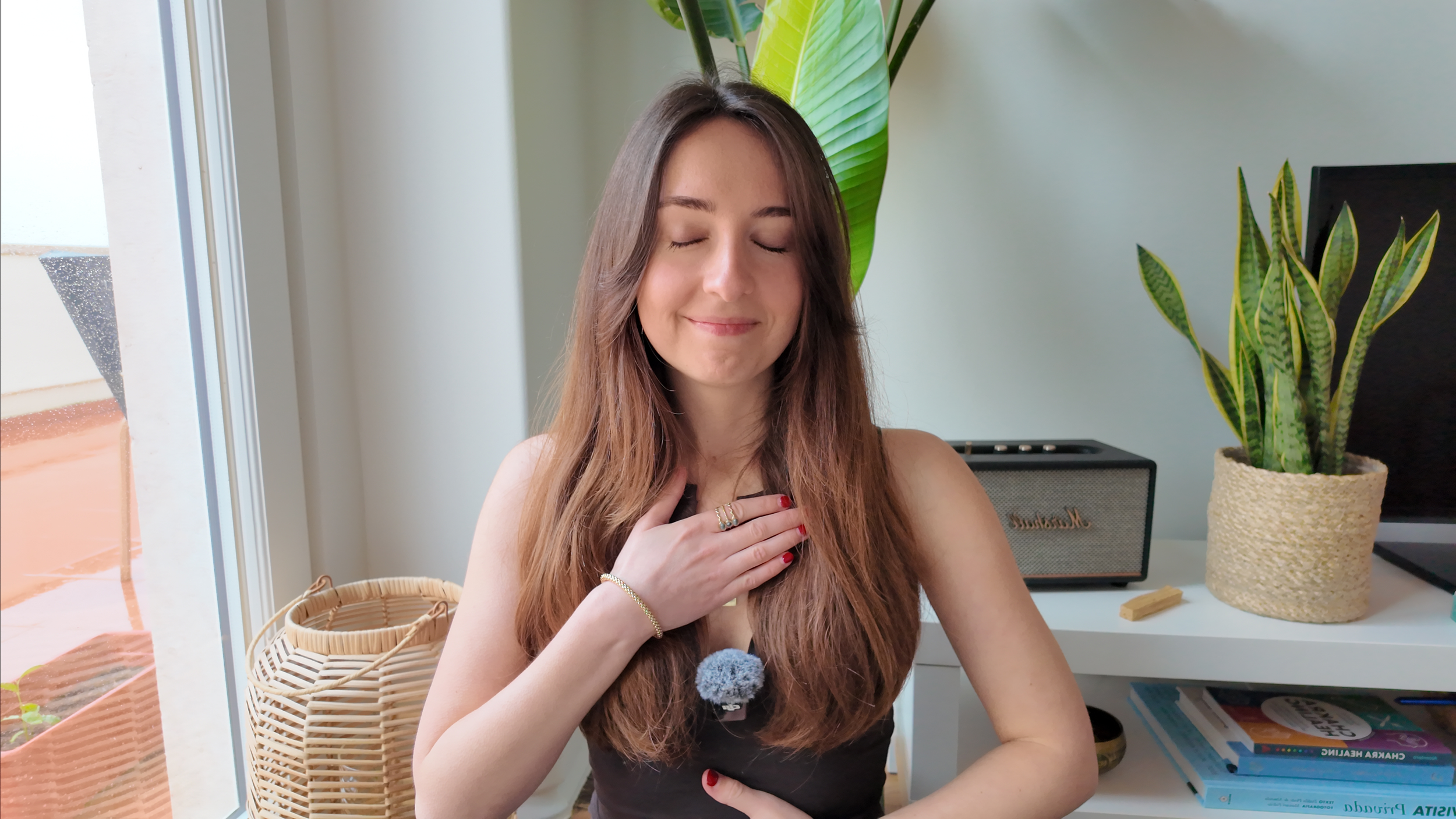
Often the healing we need cannot be accessed through the mind, but through working with felt sensation, emotion and movement - the language of the body.
So, what kind of practices are we talking about?
Body scan - this helps develop somatic sensing, the conscious observation of sensations within the body, by travelling your awareness through different parts of the body and noticing sensations like tension, discomfort, ease, relaxation without judgement. It often involves describing the sensations, as well as inquiry - for example asking a sensation what it wants you to know. Inviting awareness into the body like this helps to shift our state.
Breathing exercises - the breath is an incredible connector of our mind and body. Exercises like 4-6 breathing and 4-7-8 breathing help us become more present and connected with the body.
Practice of connecting emotions to sensations - if you are feeling anxious, ask yourself ‘How do I know that I am anxious?’ and link it to the sensation you are experiencing. For example, your stomach is fluttering, or your hands are sweating.
Somatic experiencing techniques like pendulation are particularly helpful for healing from trauma and chronic stress, by tuning into felt sensations caused by the stress/event and allowing the body to complete the natural survival cycles it hasn’t been able to finish.
Mindfulness meditation and daily check-in’s help you drop into the body, notice what you are feeling and become an observer of sensation.
Guided visualisation helps us connect with our emotions and experience all of our felt senses.
Somatic movement practices like intuitive movement and somatic shaking help us move from mind to body to get into the feeling state, whilst releasing pent up tension and stress.
Build interoception like a muscle
Interoception improves best with consistent daily practice. All YinPlusYang practices are designed to help you feel more connected to yourself, and you can follow our Interoception Pathway to specifically learn how to:
Drop out of the mind and into the body more easily and frequently;
Build your awareness of sensation and emotion;
Helping you release stored stress, tension and emotional energy
Research shows early improvements in emotional regulation and stress become noticeable within just 2 weeks of daily practice - with significant progress typically emerging over 8-10 weeks. Consistency and repetition will create lasting change.
